Why Social Connection Is So Important in Healthy Aging Independent Living
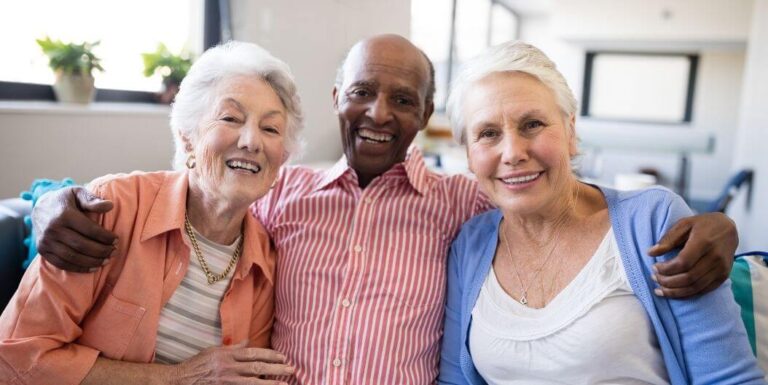
Strong social connections are one of the most important, yet often overlooked, factors in healthy aging. As people transition into retirement and begin living in independent living communities, opportunities for meaningful connection can have a powerful impact on emotional well-being, mental sharpness, and overall quality of life.
While maintaining independence remains a priority, staying socially engaged will help support you with a more active, fulfilling lifestyle. In fact, research consistently shows that social interaction is closely linked to better health outcomes in older adults, making it a key part of successful aging.
The Role of Social Connection in Healthy Aging
Social connection refers to the relationships and interactions people maintain with others. This can include your friendships, group activities, casual conversations, and shared experiences. In independent living environments, these connections often become easier to maintain and even expand.
As you age, your natural life changes, such as retirement, relocation, or loss of loved ones can happen and sometimes lead to smaller social circles. Without intentional effort, this can further foster feelings of isolation.
However, staying socially active can help support:
- Emotional well-being and reduced loneliness: Regular interaction helps reduce feelings of isolation and supports a more positive outlook on daily life.
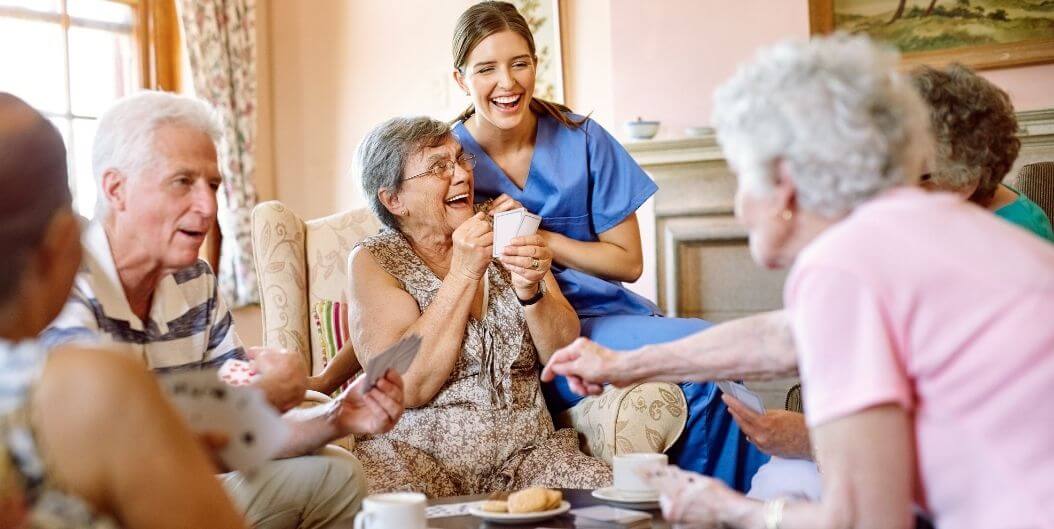
- Cognitive health and mental stimulation: Conversations, games, and group activities help keep the mind active and engaged.
- A stronger sense of purpose: Having people to connect with and activities to participate in creates structure and meaning in everyday life.
Why Independent Living Communities Support Stronger Social Lives
Independent living communities are uniquely designed to make social connection easier and more natural. Rather than needing to plan outings or coordinate transportation, you will be surrounded by opportunities to engage with others right where they live.
Common shared spaces, such as lounges, dining areas, and activity rooms encourage spontaneous interaction. Something as simple as a shared meal or casual conversation in a hallway can lead you to building meaningful friendships over time.
Moreover, planned activities also play an important role. These may include fitness classes, hobby groups, educational sessions, or social events designed to bring residents together in relaxed and enjoyable ways.
The structure of independent living helps remove common barriers to social engagement, making it easier for residents to stay connected without added stress or effort.
The Mental and Emotional Benefits of Staying Connected
Social interaction is closely tied to emotional health. Regular connection with others can help reduce feelings of loneliness, which is especially important during retirement when daily routines may change.
Engaging with others also provides emotional support. Having people to talk to, share experiences with, or simply spend time around can help create a sense of belonging.
In addition, social engagement supports cognitive health. Conversations, group discussions, and shared activities encourage mental stimulation, which helps keep the brain active. This type of engagement is an important part of maintaining overall wellness in older adulthood.
Even simple interactions, such as greeting neighbors or participating in a group meal, can have a meaningful impact over time.
How Social Activities Encourage Active and Independent Lifestyles
One of the key benefits of independent living is the ability to maintain autonomy while still enjoying a connected lifestyle. Social activities play a major role in balancing independence with engagement.
You will be free to choose how involved you want to be, whether that means attending group events regularly or participating occasionally. This flexibility will allow you to create a lifestyle that feels comfortable and natural.
Activities are often designed to appeal to a wide range of interests. Some residents may prefer creative hobbies, while others enjoy physical activities or social gatherings. Having options helps ensure that everyone can find something enjoyable.
Overcoming Barriers to Social Engagement in Retirement
While many older adults value social connection, barriers can sometimes make it more difficult to maintain. These may include transportation challenges, changes in mobility, or simply not knowing where to meet new people.
Independent living communities help reduce these barriers by creating an environment where social opportunities are built into daily life. Instead of needing to travel to find activities or groups, residents can step outside their door and participate in events happening nearby.
This accessibility makes it easier to stay engaged without added effort or planning. Over time, this can lead to stronger relationships and a more active social life.
Ready to Build a Fulfilling Lifestyle in Your Golden Years? Consider Packing Your Bags and Moving to University Place Independent Living
Healthy aging is not only about physical wellness, but also about emotional and social fulfillment. Independent living environments are designed to support all aspects of well-being, with social connection playing a central role.
Whether you like casual conversations, attend group events, or enjoy shared meals, opportunities to connect with your neighbors are always available. Over time, these interactions contribute to a richer, more enjoyable retirement experience.
At University Place Independent Living, you can enjoy a lifestyle centered around independence, comfort, and meaningful social engagement. With thoughtfully designed spaces and opportunities to connect, it becomes easier to stay active and build lasting relationships.
If you are interested in learning more about the lifestyle and community experience, you can explore further and schedule a tour to see how independent living can support both freedom and connection in your everyday life.